

Safety tips for online!

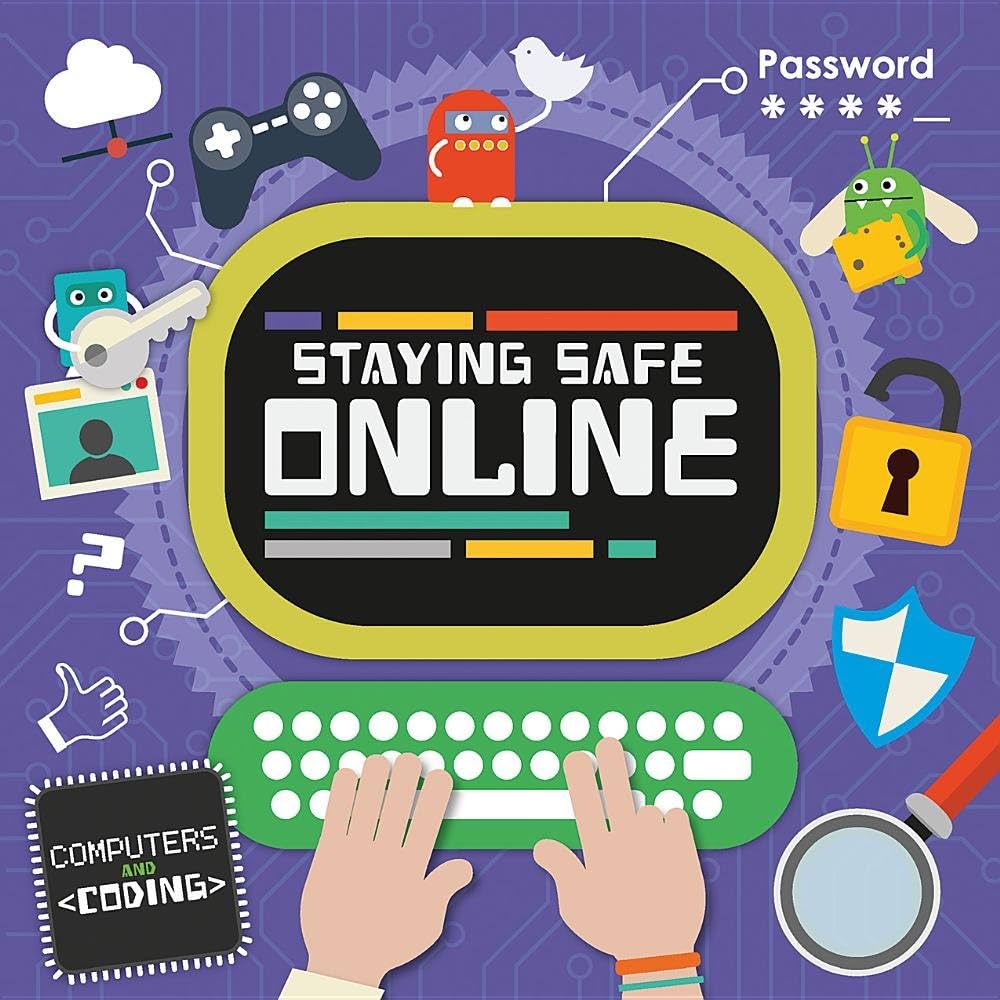
Staying safe online requires a multi-layered approach involving strong, unique passwords for every account, enabling two-factor authentication (2FA), and keeping all software updated to patch security vulnerabilities. Key strategies include avoiding public Wi-Fi for sensitive tasks, scrutinizing links for phishing attempts, limiting personal information shared on social media, and regularly backing up data.
National Cyber Security Centre
Password and Account Security
Use a password manager to generate unique, complex passwords.
Never reuse passwords across different sites.
Enable 2-Factor Authentication (2FA) on all accounts.
Change passwords immediately if a breach occurs.
Use passphrase-based passwords (long phrases) for better security.
Use biometric locks (fingerprint/face) on mobile devices.
Set up app-specific passwords for apps that don’t support 2FA.
Use strong PINs for mobile devices, avoiding “1234”.
Audit saved passwords in your browser regularly.
Set up recovery phone numbers/emails for important accounts.
Phishing and Scam Avoidance
. Hover over links to check the real URL before clicking.
. Be skeptical of urgent or threatening emails, texts, or calls.
. Check sender email addresses for subtle misspellings (e.g., micros0ft.com).
. Do not open attachments from unknown senders.
. Verify suspicious requests directly with the company/person through a trusted channel.
. Report phishing emails to your email provider.
. Be wary of “Too Good To Be True” offers or prizes.
. Avoid clicking on pop-up ads promising free gifts.
Ignore unexpected “friend requests” from strangers.
Check for the HTTPS padlock icon in the browser address bar.
Device and Network Security
. Install all system updates promptly.
Keep web browsers updated.
. Run regular antivirus/antimalware scans.
Use a VPN (Virtual Private Network) on public Wi-Fi.
. Turn off Bluetooth and Wi-Fi when not in use.
. Change the default password on your home router.
Update your router’s firmware.
. Disable Wi-Fi auto-connect features.
. Enable firewall protections on your computer.
. Use full-disk encryption on your laptop.
. Set devices to auto-lock after a few minutes of inactivity.
Do not plug in USB drives found in public places.
Use a separate, low-limit credit card for online shopping.
. Clear browser history and cookies regularly.
. Disable location tracking for apps that do not need it.
Social Media and Privacy
Set social media profiles to “Private”.
Limit public sharing of personal details (address, phone number).
Remove apps that have access to your social media data.
Be careful with posting vacation photos (reveals you’re not home).
Review privacy settings on Facebook, Instagram, and other platforms quarterly.
Do not share your real-time location.
. Be cautious with third-party app logins (e.g., “Sign in with Facebook”).
Remove meta-data from photos before posting.
. Decline friend requests from people you do not know.
. Report bullying or harassment immediately.
Online Shopping and Banking
Only shop on trusted, secure websites.
Use virtual credit cards for one-time purchases.
. Avoid saving payment details on retail websites.
Review bank statements for unauthorized transactions.
Use reputable payment processors like PayPal.
Never conduct banking on public Wi-Fi.
. Check for the “s” in https:// on payment pages.
. Set up transaction alerts with your bank.
Do not do buying from unknown social media ads.
Competitions on facebook or anywhere on the internet , be wary
Delete browsing data often.
Always keep phone and computer update
Do not use the same password for every site you use
Recommend0 recommendationsPublished in Senior Chatters


Oh my days! It’s all great advice and information, no doubt, but I kinda feel like throwing away all my electronic devices and anything internet enabled now. Maybe it’s too late for me…but…save yourselves!
@dj lol it just looks a lot. And its just common sense tips really. And it all just depends on each person. I use a separate bank account for online purchases, and just transfer the amount I need. 🙂 Not everyone needs such strict security measures. Depends on the individual. 🙂
@dj I agree. The push for the latest technology never ends.